
Securing Your Way to Restful Sleep with Ansible Galaxy
Jordan Drysdale // Life as a ‘blue-teamer’ can often be a stressful experience. Working in an environment with a strong Linux infrastructure can help some, but Ansible can help […]

Jordan Drysdale // Life as a ‘blue-teamer’ can often be a stressful experience. Working in an environment with a strong Linux infrastructure can help some, but Ansible can help […]

John Strand // Last week BHIS took a new direction as a company. (Warning, this blog is not technical. But it is important.) In the past few years we’ve grown […]
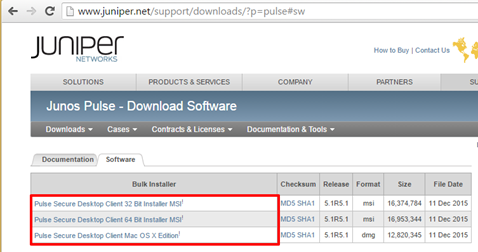
David Fletcher // On a recent internal penetration test engagement, I was faced with using a Juniper VPN to access the target network. One small problem, Juniper does not formally […]
Ethan Robish // Here’s a short intro for anyone not familiar with ssh config files, which are usually located at ~/.ssh/config As an example, you have ssh running on port […]

Brian B. King // Red Teaming is one of those terms popping up all over the place lately, and it seems to mean different things to different people. Is it […]

Editor’s Note: We’re excited to publish our first guest post! If you’d like to guest post on our blog DM us on Twitter, or use our contact form to contact us […]

Brian Fehrman // In our experience, we see many Windows environments in which the local Administrator password is the same for many machines. We refer to this as Wide-Spread Local […]

Joff Thyer // Recently I have been thinking about online challenges I encounter in daily life. As I thought about it, I realized that many of these items I […]

Beau Bullock // Overview The traditional methodology of a remote attacker who has no preconceptions of a target network used to be fairly static. With organizations moving to “the cloud”, […]